
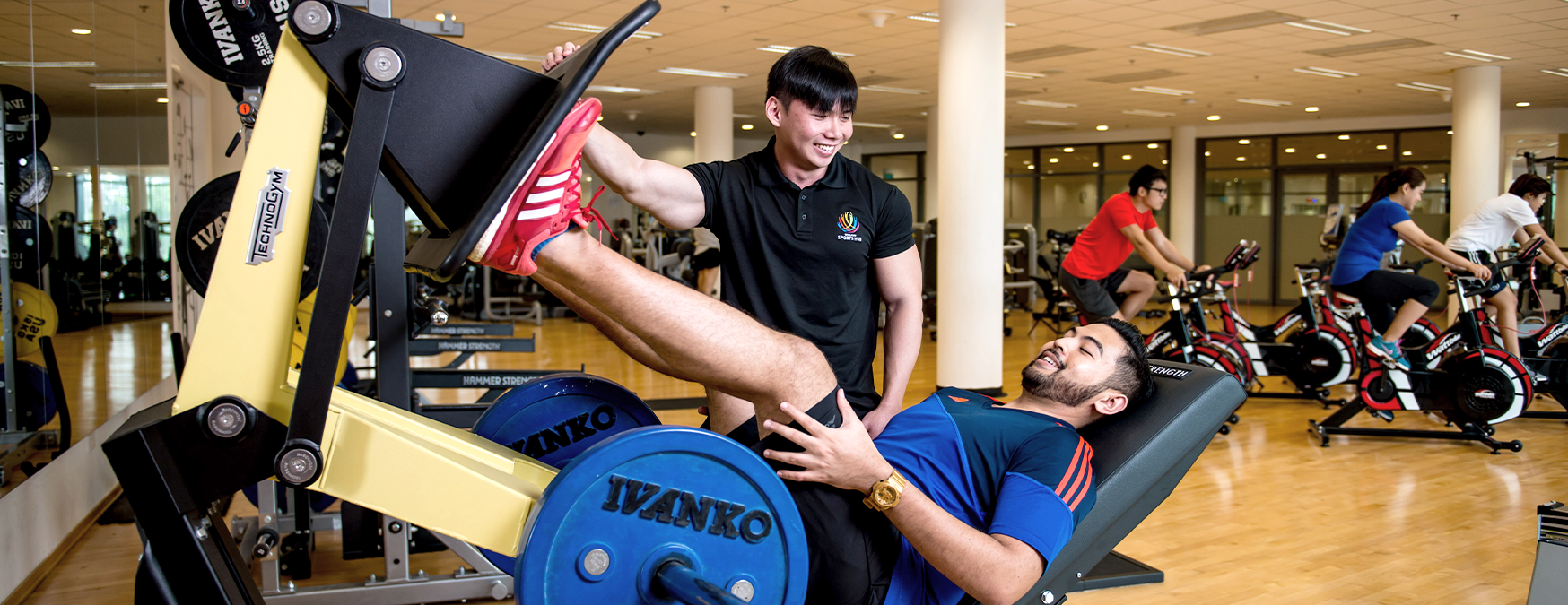
Why Cognitive Fitness Is Becoming a Priority in Singapore
Singapore is a high performance nation. Students push through demanding academic schedules, professionals work long hours across global time zones, and families manage fast paced routines. With so much mental activity happening daily, people are starting to realise that cognitive stamina is not just useful, it is essential for long term wellbeing. It explains why many adults now enter a fitness gym singapore not only to build physical strength but also to improve cognitive endurance.
Cognitive endurance refers to the brain’s ability to stay sharp, maintain concentration and make decisions under sustained pressure. It influences focus, memory retention, emotional control and problem solving. Singapore’s environment makes cognitive fitness particularly relevant because multitasking, stress and long screen hours are part of daily life.
How Physical Conditioning Directly Enhances Brain Performance
Many still assume that exercise benefits only the body. In reality, strategic physical training influences several biological systems that support the brain’s performance. A healthy brain relies on consistent oxygen flow, proper hormone regulation and efficient nutrient delivery. Exercise improves all three, creating conditions that support mental clarity and cognitive strength.
This is why people often notice improved focus after workouts. The brain responds positively to increased blood circulation, controlled physical stress and regulated breathing. Functional movement, strength training and zone based cardio all stimulate pathways that enhance mental sharpness.
Singapore’s Lifestyle and the Cognitive Load Problem
Singapore’s fast paced lifestyle has benefits, but it also contributes to mental fatigue. Long office hours, constant notifications, tight deadlines and crowded commutes increase cognitive load. Over time, this leads to:
-
Reduced attention span
-
Lower mental stamina
-
Increased irritability
-
Declining motivation
-
Weaker memory recall
-
Higher stress sensitivity
A well structured cognitive endurance programme helps counter these effects. People are now using gym training as a tool to support mental resilience, not just athletic performance.
Strength Training for Higher Mental Capacity
Strength training plays an important role in mental endurance because it influences hormone regulation, stress tolerance and neurological efficiency. When you lift weights, your brain coordinates movement, balance and timing. This strengthens neural pathways and improves the brain’s communication speed.
Important cognitive benefits of strength training include:
-
Enhanced memory
-
Better decision making
-
Improved reaction time
-
Higher mental discipline
-
Stronger emotional regulation
Strength training frameworks that emphasise compound movements also promote problem solving because they require coordination and motor planning.
Aerobic Conditioning and Cognitive Longevity
Controlled aerobic work is one of the strongest predictors of long term cognitive health. Cardio based training increases blood flow to the brain, which helps transport oxygen and essential nutrients more efficiently.
In Singapore’s humid climate, indoor cardiovascular training can be more effective because intensity can be controlled safely. This avoids overheating and supports consistent training.
Aerobic conditioning improves:
-
Cognitive longevity
-
Emotional balance
-
Working memory
-
Concentration
-
Stress resilience
Structured zone 2 and zone 3 workouts, interval blocks and rhythmic endurance sessions are especially powerful for brain performance.
Functional Training and Real Life Cognitive Demands
Functional training strengthens the mind body connection. When you perform movements like rotation, pushing, stepping, bending or lifting, the brain must coordinate multiple muscle groups. This encourages sharper thinking, faster reflexes and better movement logic.
Functional training improves:
-
Spatial awareness
-
Situational judgment
-
Reaction planning
-
Short term memory
-
Emotional steadiness under pressure
These benefits help people handle complex daily tasks, whether they are balancing deadlines, managing meetings or caring for family responsibilities.
Neuroplasticity and Skill Based Exercise
Exercises that require skill development, timing and coordination stimulate neuroplasticity. This refers to the brain’s ability to develop new connections and strengthen existing ones.
Activities that promote neuroplasticity include:
-
Agility ladders
-
Reaction ball drills
-
Balance training
-
Light plyometrics
-
Complex movement patterns
Skill based workouts challenge the brain while strengthening the body, making them ideal for people looking to enhance mental performance.
Breathwork and Nervous System Stability
Breathing patterns influence mental clarity. Shallow or rapid breathing activates stress responses, while controlled breathing strengthens the parasympathetic system, helping the body stay calm and focused.
Gym sessions that include breathwork or mindful cooldowns help:
-
Lower anxiety
-
Improve focus
-
Reduce mental fatigue
-
Increase oxygen efficiency
-
Enhance emotional clarity
These benefits are especially relevant in Singapore’s fast paced work environment.
The Role of Sleep and Recovery for Cognitive Fitness
Cognitive performance declines rapidly when recovery is neglected. Sleep is essential because it consolidates memory, processes emotions and restores cognitive resources. Many Singapore adults struggle with limited rest due to long workdays, screen time and irregular routines.
Recovery routines that support cognitive endurance include:
-
Regular sleep schedules
-
Post workout stretching
-
Light evening mobility
-
Hydration management
-
Reduced digital stimulation at night
-
Balanced nutrition
Prioritising recovery ensures that both the body and brain can perform at their best.
Nutrition for Cognitive Strength
Food influences memory, focus and emotional balance. Singapore’s food culture is diverse, and this provides many opportunities to build a diet that supports brain health.
Nutrition strategies that strengthen cognition include:
-
Adequate protein for neurotransmitter production
-
Omega 3 rich foods for neural health
-
Hydration to maintain focus
-
Balanced meals to stabilise energy levels
-
Micronutrients like magnesium, zinc and B vitamins
A balanced dietary plan paired with structured training creates a strong foundation for cognitive resilience.
Why Gym Based Cognitive Training Works Better Than Home Methods
Home workouts are convenient but often limited in variety, progression and stimulation. Cognitive endurance requires structured challenges that keep the brain adapting. A gym provides professional programming, guided progressions and diverse training tools that enhance neural development.
A well designed gym programme can stimulate the brain through:
-
Varied movement patterns
-
Controlled intensity
-
Skill based exercises
-
Community energy that enhances motivation
-
Expert guidance for safe progression
This combination makes gym based training more effective for long term cognitive improvement.
The Importance of Long Term Consistency
Consistency is the most important factor in cognitive endurance training. The brain adapts gradually, just like muscles. A stable routine helps strengthen neural pathways, improve oxygen efficiency and enhance mental clarity over time.
Many people prefer established centres like True Fitness Singapore because long term consistency becomes easier when the environment is supportive and the programming is structured effectively.
Real Life FAQ
How soon can someone see improvements in cognitive endurance?
Most people notice better focus and mental clarity in two to three weeks. Significant improvements usually appear after eight to twelve weeks of consistent training.
Can physical training improve emotional stability?
Yes. Training regulates cortisol levels, improves sleep and produces endorphins that help stabilise mood and emotional responses.
Is cognitive endurance training suitable for older adults?
It is suitable for all ages. Older adults often experience improved memory, better balance, sharper coordination and increased confidence.
What is the most effective training style for cognitive enhancement?
A combination of strength training, aerobic conditioning, functional movement and skill based exercises creates the strongest cognitive results.
Does stress reduce cognitive endurance?
Yes. Chronic stress affects hormonal balance and memory formation. Structured fitness training helps reduce these effects significantly.