
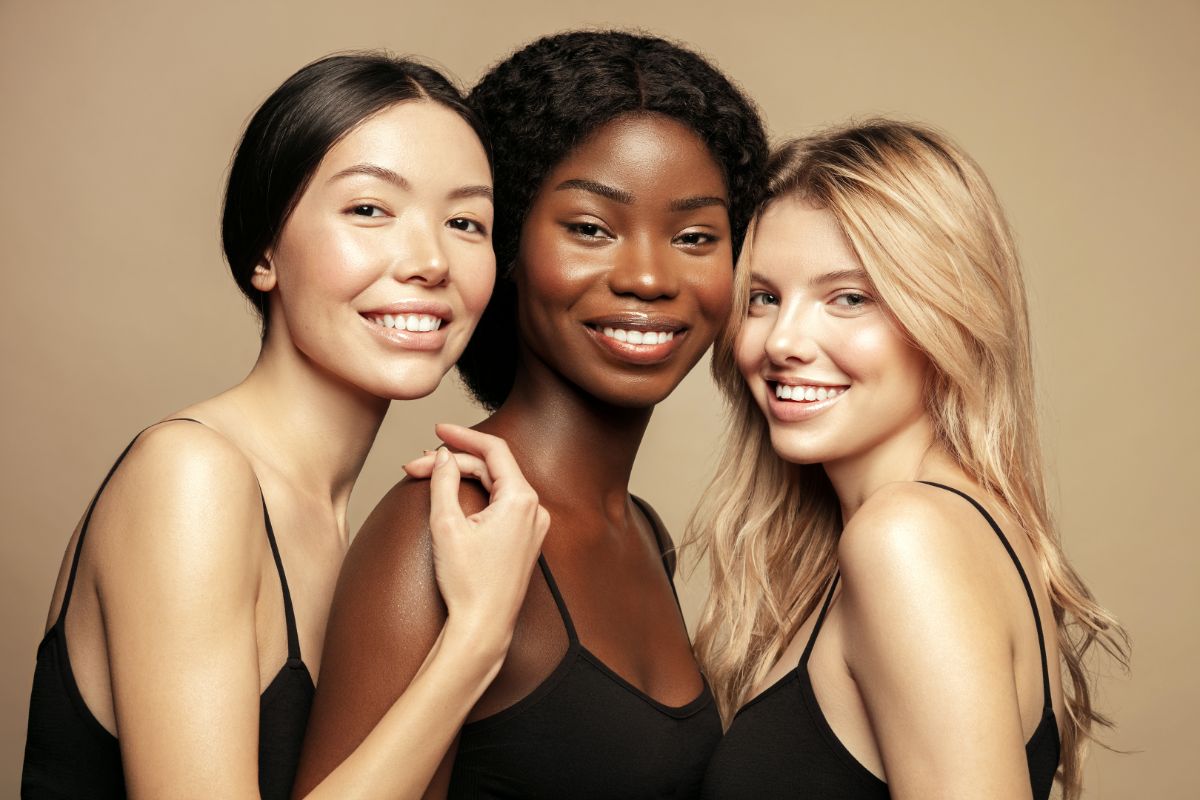
Beauty routines are often dismissed as surface-level habits, yet psychology tells a deeper story. The simple acts of cleansing, moisturizing, styling hair, or applying makeup can influence how people see themselves, regulate emotions, and build confidence. These routines function not merely as aesthetic practices but as meaningful psychological rituals that shape identity and self-worth.
Understanding why beauty routines matter reveals how daily habits intersect with mental well-being, motivation, and emotional resilience.
Beauty Routines as Psychological Rituals
A beauty routine is more than a checklist of products. From a psychological perspective, it operates as a ritual, not just a habit. Rituals create structure, predictability, and a sense of control, which are essential for emotional stability.
When someone repeats the same routine each day, the brain begins to associate those actions with calm, readiness, or self-assurance. This association can lower stress levels and foster a sense of personal agency, especially during uncertain or demanding periods.
Key psychological benefits of ritualized routines include:
-
Reduced anxiety through predictability
-
Increased focus by marking transitions, such as getting ready for the day
-
Emotional grounding during stressful times
The Link Between Self-Care and Self-Perception
Beauty routines often serve as a form of self-care, sending a powerful internal message: I am worth time and attention. This message directly impacts self-perception.
Psychological research shows that people who engage in consistent self-care behaviors tend to report higher levels of self-respect and emotional balance. Grooming, skincare, or mindful beauty practices reinforce the belief that one’s body deserves care, which strengthens self-image over time.
How self-perception shifts through routine
-
Small acts accumulate into positive self-talk
-
Physical care reinforces mental self-valuation
-
Consistency builds trust in oneself
Confidence as a Byproduct, Not the Goal
Interestingly, self-confidence doesn’t emerge because someone looks “better” by societal standards. Instead, confidence grows from the process of care and intention.
Beauty routines enhance confidence through:
-
Mastery – knowing how to care for oneself skillfully
-
Preparedness – feeling ready to face social or professional settings
-
Embodiment – feeling present and connected to one’s body
When individuals feel prepared and aligned with themselves, confidence becomes a natural byproduct rather than a forced outcome.
The Mirror Effect and Identity Reinforcement
The mirror plays a subtle but important psychological role. Seeing oneself while engaging in a routine reinforces identity through visual feedback. Over time, this repetition strengthens familiarity and acceptance.
Rather than creating narcissism, mindful mirror interaction can promote:
-
Self-recognition without harsh judgment
-
Acceptance of imperfections
-
A stable sense of identity
The way someone looks at themselves during a routine often matters more than how they look afterward.
Emotional Regulation Through Beauty Practices
Beauty routines can act as emotional regulators. The tactile sensations of washing the face, massaging the scalp, or applying lotion activate the parasympathetic nervous system, which is responsible for calm and recovery.
This explains why many people instinctively turn to grooming or skincare during emotional distress. These practices provide:
-
Soothing sensory input
-
A pause from rumination
-
A sense of restoration
Over time, the brain associates these actions with relief, making them effective emotional tools.
When Beauty Routines Become Unhealthy
While beauty routines can support confidence, they can also become psychologically harmful if driven by perfectionism or external validation.
Warning signs include:
-
Anxiety when unable to complete the routine
-
Self-worth tied exclusively to appearance
-
Constant comparison with others
Healthy routines are flexible and supportive, not rigid or punishing. The goal is emotional well-being, not control or conformity.
Building a Confidence-Supportive Beauty Routine
A psychologically healthy beauty routine is intentional and personal. It reflects individual needs rather than external pressure.
Consider these principles:
-
Simplicity over excess
-
Enjoyment over obligation
-
Mindfulness over comparison
When routines align with personal values, they strengthen confidence naturally and sustainably.
Frequently Asked Questions (FAQs)
1. Can beauty routines improve mental health even without makeup or products?
Yes. The psychological benefit comes from intention and care, not from specific products. Even simple actions like washing your face mindfully can support emotional well-being.
2. Why do beauty routines feel calming during stressful times?
They engage the senses and provide structure, which helps regulate the nervous system and reduce mental overload.
3. Is self-confidence dependent on physical appearance?
Confidence is influenced more by self-trust and consistency than by appearance. Beauty routines support confidence through self-respect, not perfection.
4. Can men benefit psychologically from beauty routines?
Absolutely. Grooming and self-care routines provide the same psychological benefits regardless of gender.
5. How long does it take for a routine to impact self-confidence?
Small effects can appear quickly, but lasting confidence typically builds over weeks of consistent, intentional practice.
6. What’s the difference between self-care and vanity?
Self-care focuses on well-being and respect, while vanity centers on external approval. The motivation behind the routine defines the difference.
7. Can changing a beauty routine change how someone sees themselves?
Yes. Adjusting routines can reshape self-perception by reinforcing new habits, identities, and emotional associations.