
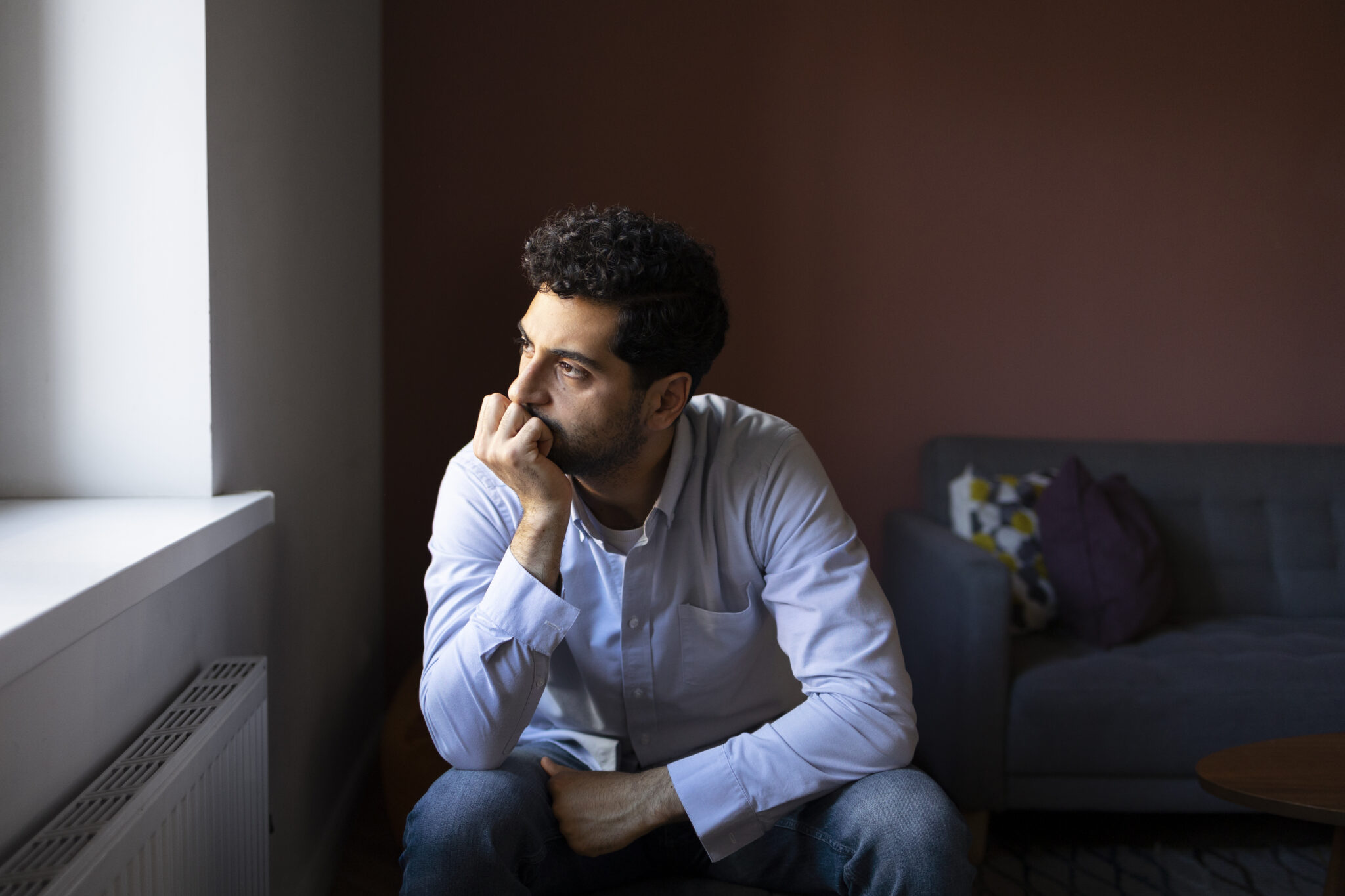
Anxiety doesn’t always look the same in men as it does in women. Cultural expectations, social conditioning, and internal pressure to “stay strong” can cause many men to mask or misinterpret their symptoms. As a result, anxiety in men often goes undiagnosed, untreated, and misunderstood—sometimes for years.
Understanding the subtle and less-discussed signs is a crucial step toward better mental health and early support.
Why Anxiety in Men Is Often Overlooked
From an early age, many men are taught to suppress emotional vulnerability. Fear, worry, and uncertainty may be viewed as weaknesses rather than normal human experiences. This conditioning can lead men to express anxiety in indirect or socially acceptable ways.
Common reasons anxiety goes unnoticed in men include:
-
Emotional suppression rather than verbal expression
-
Physical complaints replacing emotional language
-
Social norms discouraging help-seeking
-
Mislabeling symptoms as anger, stress, or fatigue
Subtle Signs of Anxiety in Men
Anxiety doesn’t always involve visible panic or constant worry. In men, it often manifests quietly through behaviors and physical changes that are easy to dismiss.
Persistent Irritability and Anger
Men with anxiety may appear short-tempered, impatient, or easily frustrated. This isn’t a personality flaw—it’s often the nervous system stuck in a heightened state of alert.
-
Sudden anger over small issues
-
Increased sensitivity to criticism
-
Feeling “on edge” most of the time
Physical Symptoms Without Clear Causes
Anxiety frequently shows up in the body, especially when emotions are suppressed.
Common physical signs include:
-
Headaches or muscle tension
-
Digestive discomfort or nausea
-
Rapid heartbeat or chest tightness
-
Chronic fatigue despite adequate rest
Overworking and Constant Busyness
Some men cope with anxiety by staying perpetually busy. Productivity becomes a distraction from uncomfortable thoughts.
-
Difficulty relaxing or sitting still
-
Feeling guilty when not working
-
Using work to avoid emotional conversations
Sleep Disturbances
An anxious mind rarely rests easily. Sleep issues are often one of the earliest warning signs.
-
Trouble falling asleep due to racing thoughts
-
Waking frequently during the night
-
Feeling unrefreshed in the morning
Avoidance and Withdrawal
Rather than expressing fear or worry, men may quietly pull away from situations that trigger anxiety.
-
Avoiding social gatherings
-
Withdrawing from relationships
-
Procrastinating important decisions
Increased Use of Alcohol or Substances
Substances are sometimes used as a way to self-soothe or temporarily escape anxious feelings.
-
Drinking to “take the edge off”
-
Relying on substances to sleep or relax
-
Difficulty cutting back despite negative effects
How Anxiety Affects Men Differently
While anxiety impacts everyone uniquely, men are more likely to experience:
-
Delayed diagnosis, often after physical symptoms worsen
-
Higher risk behaviors as coping mechanisms
-
Co-occurring depression, especially when anxiety is unaddressed
-
Reluctance to seek help, even when distress is significant
These patterns can lead to long-term health consequences if left untreated.
Breaking the Silence Around Male Anxiety
Recognizing anxiety is not a sign of weakness—it’s a sign of awareness. Men benefit greatly from environments that normalize emotional honesty and mental health care.
Helpful steps include:
-
Learning emotional vocabulary beyond “fine” or “stressed”
-
Talking openly with trusted friends or family
-
Seeking professional mental health support
-
Practicing stress regulation techniques like exercise, breathing, or mindfulness
Early recognition can prevent anxiety from escalating into more severe mental or physical health challenges.
When to Seek Professional Help
If anxiety interferes with daily life, relationships, work performance, or physical health, professional support can make a significant difference. Therapy, lifestyle adjustments, and structured coping strategies are highly effective for managing anxiety long-term.
FAQs About Anxiety in Men
1. Can men experience anxiety without feeling constant fear?
Yes. Many men experience anxiety primarily through physical symptoms, irritability, or avoidance rather than persistent fear or worry.
2. Is anger a sign of anxiety in men?
It can be. Anxiety often manifests as irritability or anger when emotional stress is suppressed or unrecognized.
3. Do men experience anxiety differently than women?
While core symptoms are similar, men are more likely to express anxiety through behaviors like overworking, substance use, or withdrawal rather than verbalizing worry.
4. Can anxiety cause physical health problems in men?
Yes. Chronic anxiety can contribute to headaches, digestive issues, high blood pressure, sleep disorders, and weakened immune function.
5. Why do many men avoid talking about anxiety?
Social expectations around masculinity, fear of judgment, and lack of emotional language often prevent men from opening up.
6. Can anxiety in men go away on its own?
Mild anxiety may fluctuate, but persistent anxiety usually requires intentional coping strategies or professional support to improve.
7. What is the first step for a man who thinks he has anxiety?
Acknowledging the symptoms and talking to a trusted person or healthcare professional is often the most effective first step.