
Managing weight while juggling meetings, deadlines, and personal responsibilities can feel overwhelming. Yet effective weight management doesn’t require extreme diets or hours at the gym. For busy professionals, success comes from realistic, repeatable habits that fit into an already full schedule.
This guide focuses on practical strategies that support long-term health, energy, and performance—without adding stress to your day.
Why Weight Management Is Hard for Busy Professionals
Modern work culture often works against healthy habits. Common challenges include:
-
Long hours spent sitting
-
Frequent business meals or takeout
-
Skipped workouts due to fatigue
-
Stress-driven eating and poor sleep
Recognizing these constraints is essential. The goal isn’t perfection—it’s consistency within real-life limits.
Focus on Sustainable Nutrition, Not Dieting
Extreme diets may promise fast results, but they rarely last. Instead, prioritize simple nutritional upgrades you can maintain.
Smart Eating Habits That Save Time
-
Build balanced plates: lean protein, vegetables, and complex carbs
-
Plan two to three go-to meals you can rotate weekly
-
Use healthy shortcuts like pre-cut veggies, rotisserie chicken, or frozen grains
Consistency beats variety when time is limited.
Desk-Friendly Nutrition Tips
-
Keep protein-rich snacks (nuts, yogurt, boiled eggs) nearby
-
Drink water before reaching for caffeine or snacks
-
Avoid working through meals—mindful eating improves satiety
Movement That Fits Into a Busy Schedule
You don’t need long workouts to stay active. Short, frequent movement adds up.
Practical Ways to Stay Active at Work
-
Take 10–15 minute walks between meetings
-
Use stairs instead of elevators when possible
-
Try walking meetings for one-on-one calls
-
Do light stretching or bodyweight moves during breaks
Even small bursts of movement help boost metabolism and reduce stiffness.
Rethink Exercise Expectations
Instead of aiming for daily gym sessions, target:
-
2–3 structured workouts per week
-
Daily light movement (walking, mobility)
-
Activities you actually enjoy and will repeat
Manage Stress to Support Weight Control
Chronic stress can interfere with hormones that regulate hunger and fat storage. Managing stress is not optional—it’s foundational.
Simple Stress-Reduction Practices
-
5 minutes of deep breathing before bed
-
Short digital breaks during the workday
-
Setting clear work boundaries when possible
Lower stress often leads to better food choices and improved sleep.
Sleep: The Underrated Weight Management Tool
Sleep deprivation increases cravings and reduces willpower. Aim for 7–8 hours of quality sleep whenever possible.
Helpful habits include:
-
Consistent sleep and wake times
-
Limiting screens before bed
-
Avoiding heavy meals late at night
Better sleep improves energy, focus, and weight regulation.
Build Systems, Not Willpower
Busy professionals succeed when healthy choices are automated.
Make Healthy Choices the Default
-
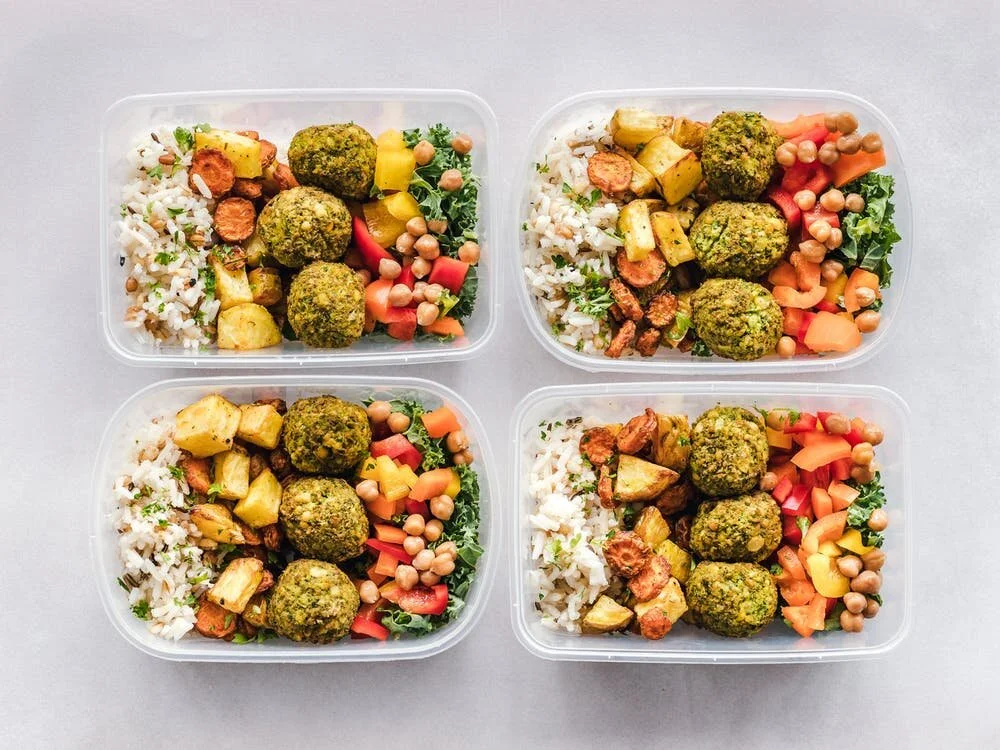
Prep lunches the night before
-
Schedule workouts like meetings
-
Keep unhealthy snacks out of sight
When routines are in place, motivation matters less.
Progress Over Perfection
Weight management is a long-term process. Missed workouts or imperfect meals won’t derail progress if you return to your core habits.
Track trends, not daily fluctuations, and celebrate non-scale wins like improved energy, focus, and confidence.
Frequently Asked Questions
1. Can I manage my weight without going to the gym?
Yes. Regular walking, bodyweight exercises, and daily movement can be highly effective when done consistently.
2. Is meal prepping necessary for weight management?
Not mandatory, but it helps save time and reduces reliance on unhealthy convenience foods.
3. How do I handle business lunches or dinners?
Focus on portion control, prioritize protein and vegetables, and avoid sugary drinks when possible.
4. What if my schedule changes every week?
Stick to flexible habits like walking, balanced meals, and sleep routines that adapt to changing schedules.
5. How long does it take to see results?
Most people notice improvements in energy and habits within weeks; physical changes follow with consistency.
6. Does stress really affect weight?
Yes. High stress can increase cravings and slow fat loss, making stress management essential.
7. What’s the most important habit to start with?
Start with one habit—daily movement, better sleep, or balanced meals—and build from there.