
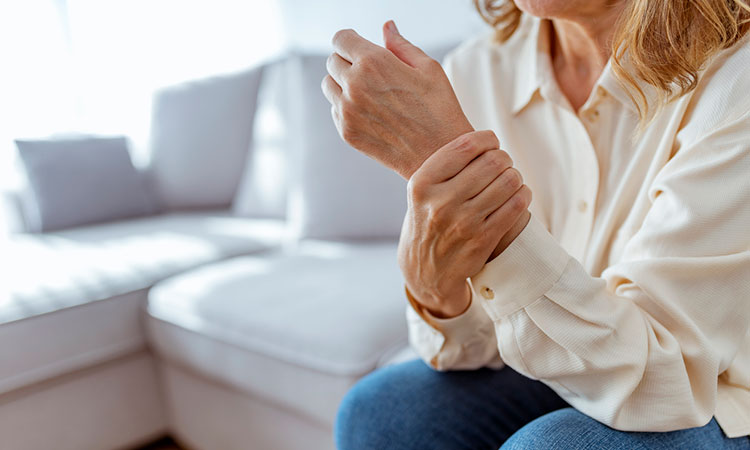
Inflammation is a natural biological response designed to protect the body from injury, infection, and stress. While short-term inflammation plays a vital role in healing, chronic inflammation can quietly undermine health over time. For women, this process is deeply intertwined with hormonal balance, reproductive health, immune function, and the risk of long-term disease.
Understanding how inflammation affects women differently is essential for prevention, early intervention, and long-term well-being.
Understanding Inflammation: Acute vs. Chronic
Inflammation exists on a spectrum, and not all inflammation is harmful.
Acute Inflammation
This is the body’s immediate and protective response. It helps fight infections and repair tissue damage.
Common signs include:
-
Redness and warmth
-
Swelling
-
Temporary pain
-
Fever during infection
Chronic Inflammation
When inflammation persists for months or years, it becomes harmful. Instead of healing, it begins to damage healthy tissues and disrupt normal body functions.
Chronic inflammation is often linked to:
-
Hormonal imbalances
-
Autoimmune conditions
-
Metabolic disorders
-
Persistent fatigue and pain
Why Inflammation Impacts Women Differently
Women experience unique inflammatory patterns due to biological, hormonal, and environmental factors.
Hormonal Influence
Estrogen and progesterone directly interact with inflammatory pathways. Fluctuations during:
-
Menstrual cycles
-
Pregnancy
-
Postpartum periods
-
Perimenopause and menopause
can either amplify or suppress inflammation, affecting both physical and emotional health.
Immune System Sensitivity
Women generally have stronger immune responses than men. While this offers better defense against infections, it also increases susceptibility to autoimmune and inflammatory conditions.
Inflammation and Reproductive Health
Chronic inflammation can interfere with nearly every aspect of reproductive health.
Potential effects include:
-
Irregular menstrual cycles
-
Pelvic pain and discomfort
-
Reduced fertility
-
Complications during pregnancy
Inflammation within reproductive tissues may also worsen symptoms such as cramping, bloating, and mood changes.
Inflammation, Hormones, and Metabolism
Hormonal imbalance and inflammation often fuel each other.
Insulin Resistance and Weight Gain
Low-grade inflammation can impair insulin sensitivity, making it easier to gain weight and harder to lose it. This is especially common during midlife hormonal transitions.
Thyroid Function
Inflammatory processes can disrupt thyroid hormones, leading to fatigue, brain fog, and metabolic slowdown.
The Role of Inflammation in Chronic Disease
Persistent inflammation increases a woman’s risk for several long-term conditions.
Conditions commonly associated include:
-
Cardiovascular disease
-
Autoimmune disorders
-
Joint and muscle pain
-
Digestive issues
-
Mood disorders such as anxiety and depression
Over time, inflammation accelerates cellular aging and contributes to overall health decline.
Lifestyle Factors That Drive Inflammation
Modern lifestyles often unknowingly promote chronic inflammation.
Key contributors include:
-
Highly processed foods and excess sugar
-
Chronic psychological stress
-
Poor sleep quality
-
Sedentary behavior
-
Environmental toxins
Addressing these factors can significantly reduce inflammatory burden.
Supporting a Healthy Inflammatory Response
Women can take proactive steps to manage inflammation naturally.
Effective strategies include:
-
Eating whole, nutrient-dense foods rich in antioxidants
-
Prioritizing restorative sleep
-
Managing stress through mindfulness or movement
-
Engaging in regular, moderate exercise
-
Maintaining gut health through fiber-rich foods
Small, consistent lifestyle changes often yield powerful long-term benefits.
The Mind-Body Connection
Emotional health and inflammation are closely connected. Chronic stress elevates inflammatory markers, while inflammation can worsen mood and cognitive clarity. Supporting mental well-being is not optional—it is foundational to controlling inflammation.
FAQ: Inflammation and Women’s Health
1. Can inflammation affect mental health in women?
Yes, chronic inflammation is linked to mood changes, anxiety, and depressive symptoms due to its impact on brain chemistry and stress hormones.
2. Is inflammation more common during menopause?
Inflammation often increases during menopause as estrogen levels decline, which can contribute to joint pain, weight gain, and cardiovascular risk.
3. Can diet alone reduce chronic inflammation?
Diet plays a major role, but lasting improvement usually requires a combination of nutrition, stress management, sleep, and movement.
4. How does inflammation influence fertility?
Inflammation can interfere with ovulation, implantation, and overall reproductive function, making conception more difficult for some women.
5. Are all inflammatory markers harmful?
No. Some inflammatory responses are essential for healing and immunity. Problems arise when inflammation becomes persistent and uncontrolled.
6. Does exercise increase or decrease inflammation?
Moderate, consistent exercise reduces inflammation, while excessive or intense training without recovery can temporarily increase it.
7. Can inflammation be present without obvious symptoms?
Yes. Low-grade inflammation often develops silently and may only become noticeable once it contributes to chronic disease.