
Aging is inevitable, but how we age is strongly influenced by daily choices—especially what we eat. Nutrition plays a foundational role in preserving physical strength, mental clarity, immune resilience, and metabolic balance as the years advance. Thoughtful dietary strategies can help reduce the risk of chronic disease, slow biological aging, and support a vibrant, independent life well into older age.
The Connection Between Diet and the Aging Process
As the body ages, physiological changes affect digestion, nutrient absorption, muscle mass, and cellular repair. Diets rich in whole, nutrient-dense foods provide the raw materials needed to counter inflammation, oxidative stress, and age-related decline. Long-term eating patterns matter far more than short-term dietary trends.
Key diet-related factors influencing longevity include:
-
Chronic inflammation levels
-
Blood sugar regulation
-
Cardiovascular health
-
Gut microbiome diversity
-
Muscle preservation and bone density
Prioritizing Whole, Unprocessed Foods
Whole foods deliver vitamins, minerals, fiber, and protective plant compounds in their most effective form. Minimally processed diets are consistently linked to longer lifespans and lower disease rates.
Focus on These Staples
-
Vegetables and fruits: Especially leafy greens, berries, cruciferous vegetables, and citrus
-
Whole grains: Oats, quinoa, brown rice, and barley
-
Legumes: Lentils, beans, and chickpeas for fiber and plant protein
-
Nuts and seeds: Walnuts, almonds, flaxseeds, and chia seeds
These foods help regulate cholesterol, improve digestion, and reduce oxidative damage at the cellular level.
Protein Intake for Muscle and Strength Preservation
Age-related muscle loss, known as sarcopenia, can compromise mobility and independence. Adequate protein intake becomes increasingly important with age.
Smart protein choices include:
-
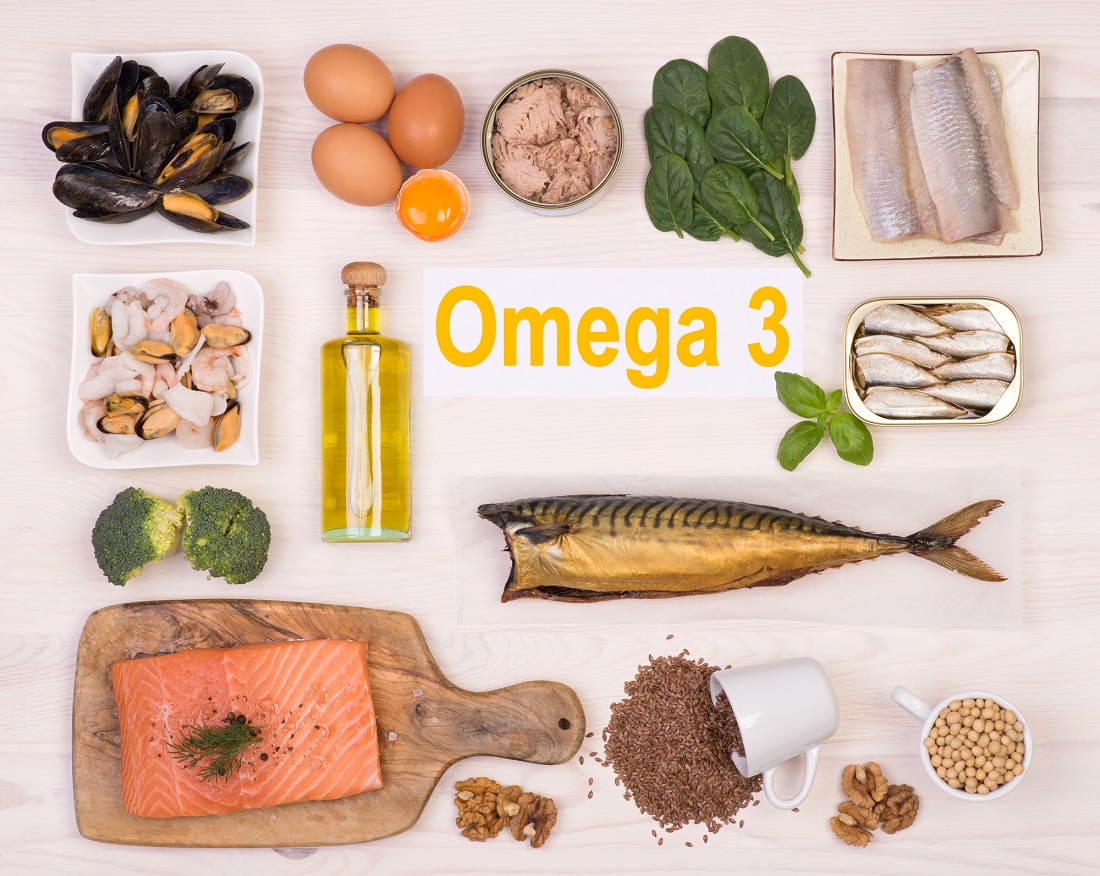
Fatty fish (rich in omega-3 fatty acids)
-
Eggs and dairy products
-
Legumes and soy-based foods
-
Lean poultry and plant-based proteins
Spreading protein intake evenly across meals improves muscle synthesis and physical resilience.
Healthy Fats That Support Longevity
Not all fats are harmful. In fact, certain fats are essential for brain health, hormone production, and inflammation control.
Beneficial Fat Sources
-
Olive oil as a primary cooking fat
-
Avocados for heart-healthy monounsaturated fats
-
Fatty fish like salmon and sardines
-
Nuts and seeds for omega-3 and omega-6 balance
Replacing saturated and trans fats with unsaturated fats supports cardiovascular longevity and cognitive health.
Micronutrients That Become More Important With Age
Certain vitamins and minerals are commonly under-consumed in older adults due to reduced absorption or dietary limitations.
Key micronutrients for healthy aging:
-
Vitamin D: Supports bone strength and immune health
-
Calcium: Essential for preventing bone loss
-
Vitamin B12: Crucial for nerve function and cognition
-
Magnesium: Aids muscle function and metabolic balance
Regular nutrient-dense meals help reduce the need for supplementation unless medically indicated.
Hydration and Digestive Health
Dehydration risk increases with age as thirst signals weaken. Proper hydration supports kidney function, digestion, and cognitive performance.
Helpful hydration strategies include:
-
Drinking water consistently throughout the day
-
Including water-rich foods like fruits, vegetables, and soups
-
Limiting excessive caffeine and sugary beverages
Fiber-rich foods also support gut health, which plays a growing role in immune function and inflammation regulation.
Mindful Eating and Long-Term Consistency
Longevity-focused nutrition is not about restriction but sustainability. Eating slowly, honoring hunger cues, and enjoying meals socially contribute to better digestion and emotional well-being.
Adopting flexible, enjoyable eating patterns makes healthy choices easier to maintain for decades rather than months.
Dietary Patterns Linked to Longevity
Research consistently supports certain dietary frameworks for healthy aging:
-
Plant-forward diets with diverse vegetables
-
Mediterranean-style eating patterns
-
Diets low in added sugars and refined carbohydrates
The shared foundation of these approaches is balance, variety, and nutrient density rather than rigid rules.
Frequently Asked Questions (FAQ)
1. At what age should people start focusing on longevity-focused nutrition?
It’s beneficial to adopt healthy dietary habits at any age, but starting in midlife can significantly reduce age-related health risks later on.
2. Can dietary changes really slow the aging process?
While diet cannot stop aging, it can slow biological aging markers, reduce inflammation, and lower the risk of chronic diseases.
3. Is calorie restriction necessary for longevity?
Moderate calorie awareness can help metabolic health, but nutrient quality is more important than strict calorie reduction.
4. Are supplements required for healthy aging?
Most nutrients should come from food, though some individuals may require supplements based on medical advice or deficiencies.
5. How does gut health influence aging?
A diverse gut microbiome supports immune function, reduces inflammation, and improves nutrient absorption, all of which impact longevity.
6. Should older adults avoid carbohydrates?
No. Complex carbohydrates from whole grains, fruits, and vegetables provide essential energy and fiber beneficial for aging bodies.
7. How often should dietary habits be reassessed with age?
Dietary needs can change over time, so reassessing eating patterns every few years—or after major health changes—is recommended.