
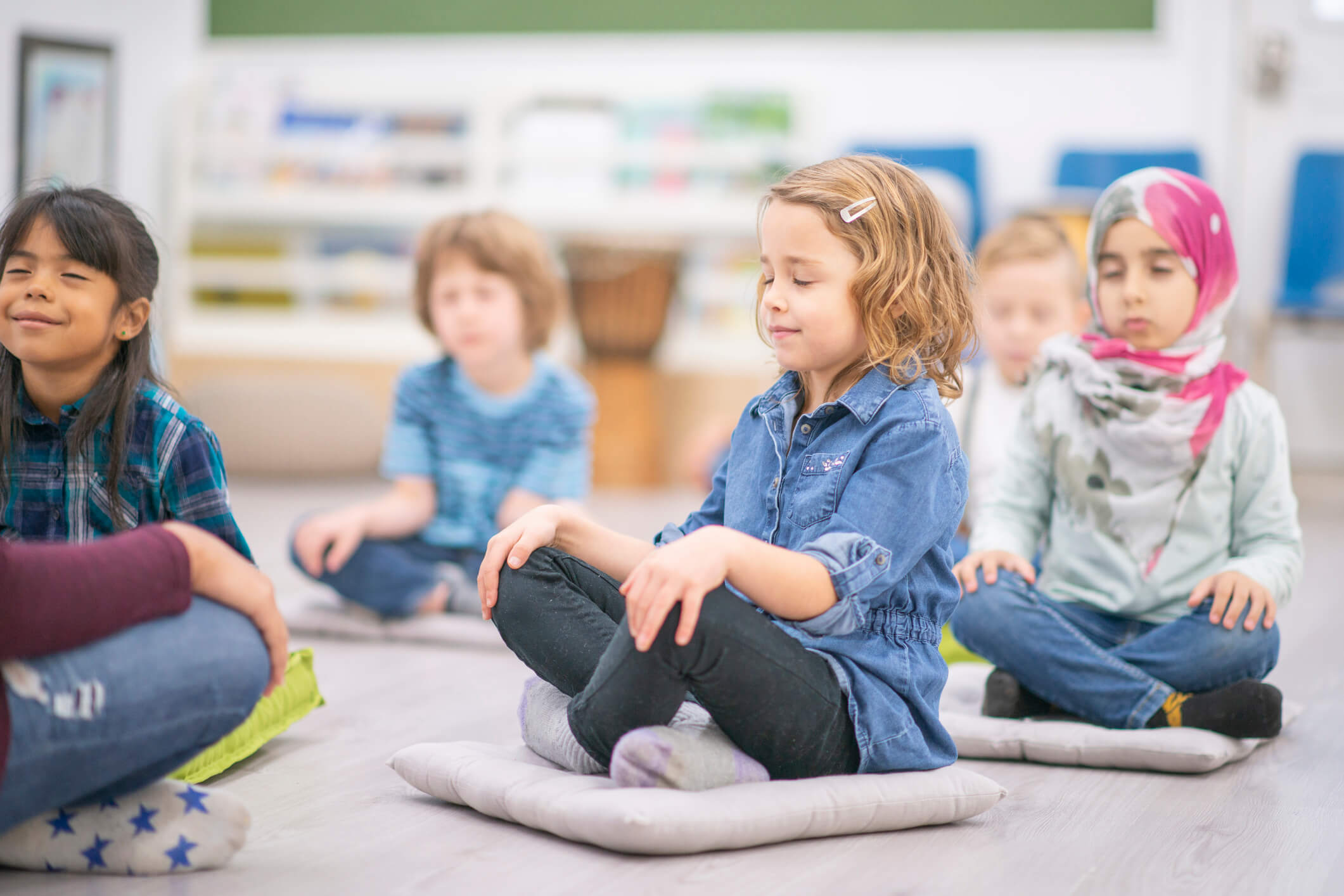
In a world filled with constant stimulation, children face pressures that can quietly shape their emotional and mental health. Mindfulness practices offer a gentle, practical way to help children slow down, understand their feelings, and build resilience. When introduced thoughtfully, mindfulness becomes less of an exercise and more of a life skill—one that supports well-being from early childhood through adolescence.
What Is Mindfulness for Children?
Mindfulness for children is the practice of paying attention to the present moment with curiosity and kindness. Unlike adult meditation, children’s mindfulness is active, playful, and age-appropriate.
It may include:
-
Simple breathing exercises
-
Guided imagination and storytelling
-
Mindful movement and stretching
-
Awareness of sounds, sensations, and emotions
The goal is not to “clear the mind,” but to help children notice what’s happening inside and around them without judgment.
Why Mindfulness Matters for Children’s Well-Being
Childhood is a critical period for emotional and cognitive development. Mindfulness supports this growth by strengthening self-awareness and emotional regulation.
Key benefits include:
-
Reduced stress and anxiety
-
Improved focus and attention span
-
Better emotional expression
-
Enhanced empathy and kindness
-
Greater confidence in handling challenges
These benefits often extend beyond childhood, shaping healthier coping habits in adulthood.
Emotional Benefits of Mindfulness in Children
Mindfulness helps children recognize emotions before they become overwhelming. Instead of reacting impulsively, children learn to pause and respond with intention.
Notable emotional outcomes:
-
Increased ability to calm themselves
-
Reduced emotional outbursts
-
Stronger sense of emotional safety
-
Improved mood and self-esteem
Over time, children become more comfortable naming feelings rather than suppressing them.
Cognitive and Academic Advantages
Mindfulness has a measurable impact on how children learn and process information. By training attention and awareness, children become more engaged learners.
Cognitive benefits include:
-
Sharper concentration
-
Improved memory retention
-
Enhanced problem-solving skills
-
Greater classroom engagement
Teachers often notice that mindful children are more present, patient, and receptive during lessons.
Physical and Behavioral Improvements
The mind and body are closely connected, especially in children. Mindfulness practices encourage relaxation, which can positively influence physical health.
Common physical and behavioral changes:
-
Improved sleep quality
-
Reduced restlessness and hyperactivity
-
Better body awareness and coordination
-
Healthier responses to frustration
These changes create a calmer foundation for daily routines at home and school.
Simple Mindfulness Practices for Children
Introducing mindfulness does not require long sessions or complex tools. Consistency and simplicity matter more than duration.
Effective practices include:
-
Balloon breathing: Slow breaths while imagining inflating a balloon
-
Five senses check-in: Naming what they see, hear, smell, taste, and feel
-
Mindful walking: Paying attention to each step and movement
-
Gratitude moments: Sharing one thing they appreciate each day
When practiced regularly, these small moments create lasting impact.
How Parents and Educators Can Encourage Mindfulness
Children learn mindfulness best through example. When adults practice calm awareness, children naturally follow.
Helpful approaches:
-
Keep sessions short and engaging
-
Avoid forcing participation
-
Practice together as a family or class
-
Praise effort, not perfection
-
Integrate mindfulness into daily routines
A supportive environment helps mindfulness feel safe and enjoyable rather than like another task.
Long-Term Impact on Children’s Development
Mindfulness nurtures skills that extend far beyond childhood. Children who grow up practicing mindfulness often develop strong emotional intelligence, healthier relationships, and improved stress management skills.
Over time, mindfulness contributes to:
-
Greater resilience during life transitions
-
Stronger social connections
-
Increased self-awareness and responsibility
-
Balanced mental and emotional health
These outcomes support not only individual well-being but also healthier communities.
Frequently Asked Questions
1. At what age can children start practicing mindfulness?
Children as young as three or four can begin with simple, playful mindfulness activities designed for their developmental level.
2. How long should mindfulness sessions be for kids?
Short sessions of one to five minutes are often more effective than longer practices, especially for younger children.
3. Can mindfulness help children with behavioral challenges?
Yes, mindfulness can support emotional regulation, impulse control, and awareness, which may reduce challenging behaviors over time.
4. Is mindfulness a religious or spiritual practice?
Mindfulness for children is taught as a secular, mental well-being skill, focused on awareness and emotional health.
5. How often should children practice mindfulness?
Daily practice is ideal, but even a few sessions per week can provide noticeable benefits.
6. Can mindfulness replace professional mental health support?
Mindfulness is a supportive tool, not a replacement for professional care when children need clinical or therapeutic support.
7. What if a child resists mindfulness activities?
Resistance is normal. Offering variety, keeping it playful, and modeling calm behavior often encourages participation over time.