
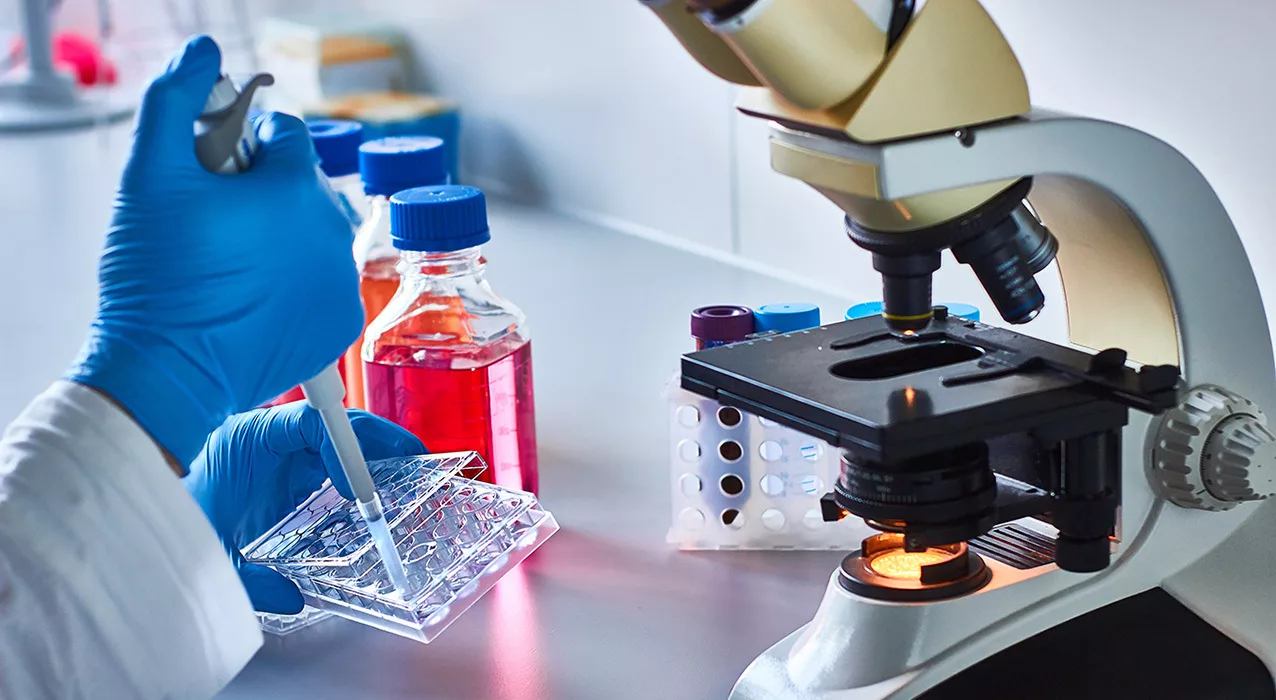
Chronic diseases have long defined the modern healthcare burden, shaping how systems allocate resources and how patients navigate daily life. Today, a new generation of therapies is reshaping this reality. These innovations go beyond symptom control, aiming instead to modify disease progression, personalize treatment, and restore quality of life in ways previously thought unattainable.
The Shifting Landscape of Chronic Disease Treatment
Traditional chronic care models focused on long-term medication adherence and crisis management. While effective to a degree, they often treated conditions as static and irreversible. Emerging therapies challenge that assumption by targeting root biological mechanisms, not just outward symptoms.
Key drivers of this shift include:
-
Deeper understanding of molecular and genetic pathways
-
Integration of data-driven decision-making
-
Patient-centered treatment design
The result is a more adaptive and responsive approach to long-term care.
Precision Medicine: Care Designed for the Individual
Precision medicine tailors treatment based on a person’s genetic profile, lifestyle, and environment. Rather than applying a one-size-fits-all therapy, clinicians can now predict how an individual will respond to a specific intervention.
Why it matters in chronic disease care
-
Reduces trial-and-error prescribing
-
Minimizes adverse drug reactions
-
Improves long-term treatment adherence
This approach is especially impactful in autoimmune disorders, metabolic diseases, and chronic inflammatory conditions, where patient responses vary widely.
Gene and Cell-Based Therapies: Addressing Disease at Its Source
One of the most transformative advances lies in gene and cell-based therapies. These treatments aim to repair, replace, or regulate faulty biological processes responsible for chronic illness.
Notable capabilities include:
-
Correcting inherited genetic mutations
-
Reprogramming immune responses
-
Promoting tissue repair and regeneration
While once considered experimental, these therapies are steadily moving into mainstream clinical practice, offering long-term or even permanent relief for certain chronic conditions.
Biologic Therapies and Targeted Treatments
Biologic therapies use complex molecules derived from living organisms to target highly specific components of disease pathways. Unlike conventional drugs, biologics can block precise inflammatory signals or immune responses driving chronic illness.
Advantages over traditional medications
-
Higher specificity with fewer systemic side effects
-
Improved control of disease flare-ups
-
Potential to slow or halt disease progression
They have already transformed care in chronic inflammatory and immune-mediated disorders and continue to expand into new therapeutic areas.
Digital Therapeutics and Remote Monitoring
Technology now plays a direct therapeutic role. Digital therapeutics use software-based interventions to prevent, manage, or treat chronic diseases, often alongside traditional treatments.
Core components include:
-
Remote monitoring devices tracking vital signs and biomarkers
-
Behavioral therapy apps supporting lifestyle changes
-
AI-powered analytics that detect early warning signs
These tools empower patients to take an active role in managing their conditions while enabling clinicians to intervene earlier and more effectively.
Regenerative Medicine: Restoring Function, Not Just Managing Decline
Regenerative medicine focuses on repairing damaged tissues and organs rather than compensating for their loss. This paradigm is particularly promising for degenerative chronic diseases.
Potential benefits
-
Restoration of normal tissue function
-
Reduced dependence on lifelong medication
-
Improved mobility and independence
As research advances, regenerative approaches may redefine what “chronic” means by shifting conditions from lifelong management to functional recovery.
The Human Impact of Breakthrough Therapies
Beyond clinical outcomes, these innovations are transforming everyday life for patients. Fewer hospital visits, more predictable symptom control, and personalized care plans contribute to greater autonomy and emotional well-being.
Healthcare systems also benefit through:
-
Reduced long-term treatment costs
-
Lower rates of disease complications
-
More efficient use of clinical resources
Together, these changes signal a future where chronic disease care is proactive, precise, and deeply humane.
Looking Ahead: A New Era of Chronic Care
Breakthrough therapies are not eliminating chronic diseases overnight, but they are fundamentally changing the trajectory of care. By addressing underlying causes, leveraging technology, and personalizing treatment, medicine is moving closer to long-term disease modification and, in some cases, functional cures.
The future of chronic disease care is no longer about simply coping—it is about reclaiming health and possibility.
Frequently Asked Questions
1. How soon will these breakthrough therapies become widely available?
Availability depends on regulatory approvals, clinical trial outcomes, and healthcare infrastructure, but many are already entering standard care.
2. Are these advanced therapies affordable for most patients?
Costs remain a challenge, though broader adoption and policy changes are expected to improve accessibility over time.
3. Do breakthrough therapies replace traditional medications entirely?
In most cases, they complement existing treatments rather than fully replacing them.
4. How safe are gene and cell-based therapies for long-term use?
Long-term safety is actively studied, with growing evidence supporting their effectiveness and manageable risk profiles.
5. Can digital therapeutics be effective without in-person care?
They are most effective when integrated with clinical oversight, enhancing rather than replacing clinician involvement.
6. Will personalized medicine work for all chronic diseases?
Not universally, but it offers significant benefits in conditions influenced by genetics, immunity, and metabolism.
7. How can patients prepare to benefit from these innovations?
Staying informed, engaging in shared decision-making, and participating in preventive care are key steps toward readiness.